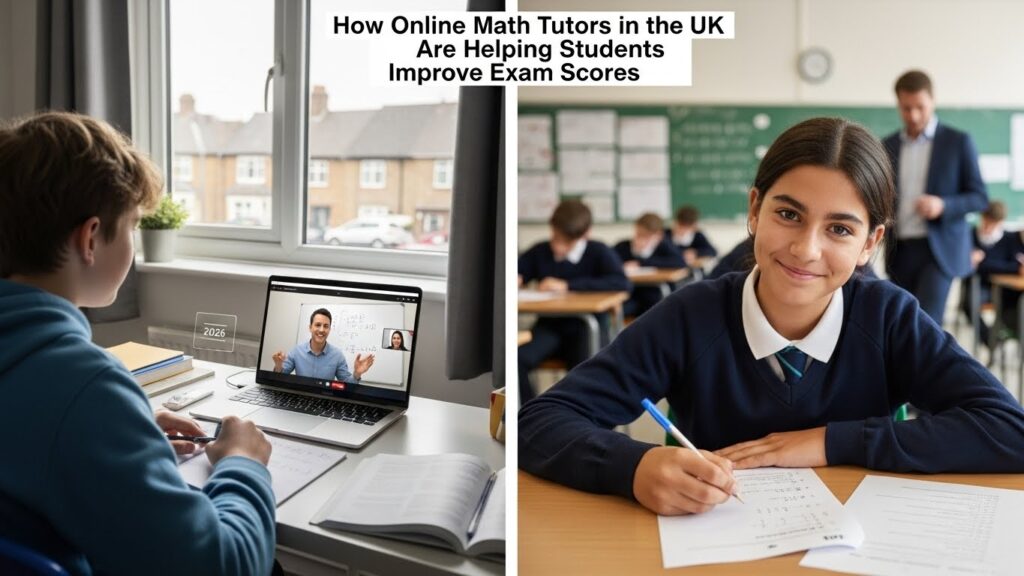
GCSE Maths is one of the most important qualifications for UK students. Whether they plan to continue to A-levels, pursue apprenticeships, or apply for future jobs, a grade 4 or above in Maths is essential.

But many students struggle—sometimes quietly. That’s where a GCSE Maths tutor can make a meaningful difference.
Knowing when to hire a tutor (and why it matters) can be the key to turning frustration into confidence and low grades into real progress.
Why GCSE Maths Matters More Than Ever
- Required for most sixth forms and colleges
- Essential for apprenticeships and university pathways
- A minimum grade 4 is needed to avoid compulsory resits
- Strong numeracy skills support other subjects like Physics, Chemistry, and Economics
For many students, targeted one-to-one GCSE Maths tutoring is the fastest way to close learning gaps, build confidence, and prepare for exams effectively.
Signs Your Child Needs a GCSE Maths Tutor
Hiring a tutor is most effective when the early warning signs appear. Here are the most common indicators.
1. Consistently Low Marks in Class Tests
If your child revises but still gets below expected grades, it often means deeper conceptual gaps that classroom teaching alone can’t revisit.
2. Struggling With Core Topics
This usually includes:
- Algebra
- Fractions & ratios
- Percentages
- Trigonometry
- Worded/problem-solving questions
Weak foundations create a domino effect across the GCSE syllabus.
3. Poor Confidence or Maths Anxiety
Many students understand the content but freeze in exams or get overwhelmed. A tutor helps rebuild confidence with personalised strategies.
4. Teacher Feedback Suggests Extra Support
Comments like “needs more practice“, “misunderstands steps”, or “not exam-ready” often signal the need for intervention.
5. Homework Takes Too Long
If a 20-minute worksheet becomes a 2-hour ordeal, something isn’t clicking.
6. Mocks Didn’t Go Well
Mock exams are a powerful predictor. A drop in performance is a strong sign it’s time to hire a GCSE Maths tutor.
Why Hiring a GCSE Maths Tutor Works
1. One-to-One Attention
Students learn differently. A skilled tutor tailors explanations, pacing, and examples to the student’s needs.
2. Targeted Gap Filling
Tutors identify exactly where understanding breaks down—something difficult in large classrooms.
3. Better Exam Technique
Students improve by learning:
- How to show working
- How to break down multi-step problems
- How to manage time
- How marks are awarded
4. Accountability & Consistency
Regular sessions keep revision structured and reduce last-minute cramming.
5. Confidence Boost
The biggest improvement often isn’t the grade—it’s the belief “I can actually do Maths.”
When to Hire a GCSE Maths Tutor (Based on Year Group)
Year 9
Best time to start if a student has early gaps or low confidence.
Year 10
Ideal for consistent support as GCSE content becomes more advanced.
Year 11
Tutoring becomes focused, intensive, and exam-driven.
If mocks went badly — hire immediately.
Final 3–6 Months Before Exams
A tutor helps maximise marks quickly with:
- Past papers
- Targeted practice
- Revision strategies
How a GCSE Maths Tutor Helps Different Types of Students
For Students Aiming for Grade 4–5
- Reinforcing foundations
- Building exam technique
- Step-by-step explanations
For Grade 6–9 Students
- High-level problem solving
- Challenging topic mastery
- Faster exam techniques
For Resit Students
- Focus on the most heavily tested topics
- Efficient methods tailored for retakes
How to Choose the Right GCSE Maths Tutor in the UK
Look for:
- Experience with AQA / Edexcel / OCR
- Strong reviews or teacher background
- Ability to teach both Higher and Foundation
- Patient, adaptable teaching style
- Clear lesson plans & progress tracking
Frequently Asked Questions
When should I hire a GCSE Maths tutor?
Hire a tutor when a student is consistently underperforming, struggling with core topics, or lacking confidence—ideally by Year 10 or early Year 11.
Is a GCSE Maths tutor worth it?
Yes. Personalised tutoring improves understanding, exam technique, and grades far faster than independent revision alone.
How often should GCSE Maths tutoring be done?
Most students benefit from 3-4 hours per week, increasing to 5–6 hours closer to exams.
Do online GCSE Maths tutors work as well as in-person?
Yes. Online tutoring often provides more tools—interactive whiteboards, past papers, and instant feedback—making it as effective as face-to-face.
Ready to Help Your Child Excel in GCSE Maths?
If your child is struggling, losing confidence, or preparing for GCSE exams, the right support can change everything.
Book a Free Consultation Today and help your child build the skills, confidence, and grades they deserve.